Print That Performs:
The importance of design for materials that HCPs will trust and Patients will use
In healthcare, trust travels on the strength of communication. Whether educating a newly diagnosed patient, equipping a sales team, or standing out on a crowded congress floor, the quality of print and promotional design directly shapes understanding, credibility, and behaviour. Strong creative does more than “look nice”: it organises complex information, guides attention, and reduces effort for the reader—while staying firmly within medical, legal, and regulatory guardrails. The sections below outline how thoughtful design lifts performance across common healthcare formats, and why investment in the details pays off.
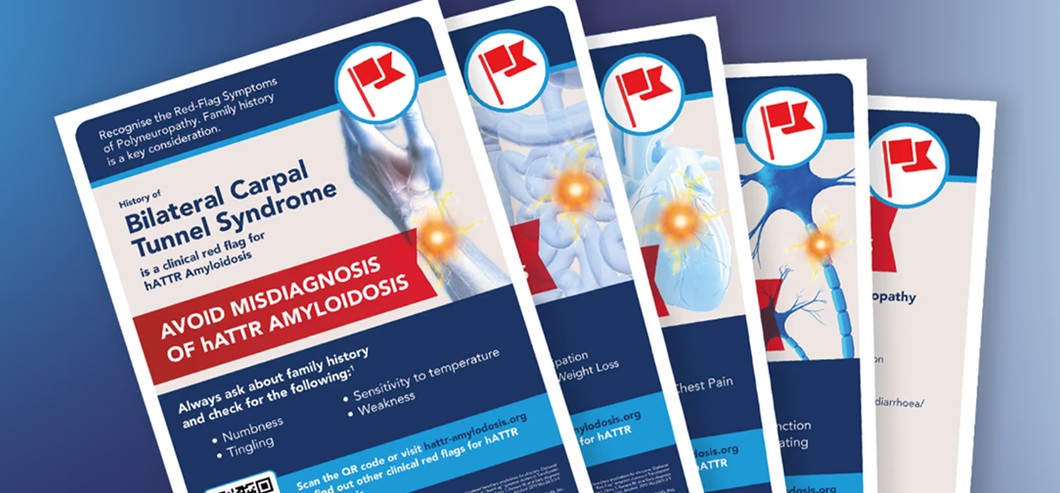
Patient Information Leaflets & Brochures
Patient-facing materials should make the next step feel doable. Plain-language storytelling, clear signposting, and layouts that respect real-world reading behaviours are essential. Layered information design—headlines that signal the “big idea,” concise body copy, lists, and action callouts—reduces cognitive load. Visuals matter just as much: diagrammatic illustrations, step-by-step photo sequences, and consistent iconography help users build mental models quickly.
Compliance is non-negotiable. Collaboration with medical, legal, and regulatory teams ensures alignment with HPRA and IPHA requirements, protection of personal data under GDPR, and clear presentation of risk statements, indications, and safety information. Materials should be produced in required languages and, where appropriate, simplified for different literacy levels, including Easy Read. Accessibility features—sufficient colour contrast, dyslexia-friendly typefaces, alternative text in digital versions, and clear phone/digital pathways—extend reach across diverse patient populations. The outcome is empathetic, empowering brochures and leaflets that inform without overwhelming.
HCP Detailing Aids & Sales Presentations
HCP communications must meet busy clinicians where they are: short on time, selective with attention, and driven by evidence. Modular detailing aids and sales decks should enable effortless navigation from macro to micro: high-level value and clinical relevance up front, with supporting data, study design, and safety details one layer deeper. Information hierarchy does the heavy lifting—clear comparison tables, dosage and administration visuals, and “what’s new/what’s different” callouts enable quick, confident discussion.
Brand alignment ensures continuity across asset types (print leave-behinds, tablet-based eDetailers, and web versions), while usability principles keep interactions smooth—legible type sizes, touch-friendly hit areas on digital, and comfortable white space. Every claim must be traceable to source references, with fair balance and mandatory statements built in from the outset to speed approval. When tools are beautifully structured and clinically credible, conversations flow better and follow-ups convert more often.

Exhibition Booth Design & Conference Materials
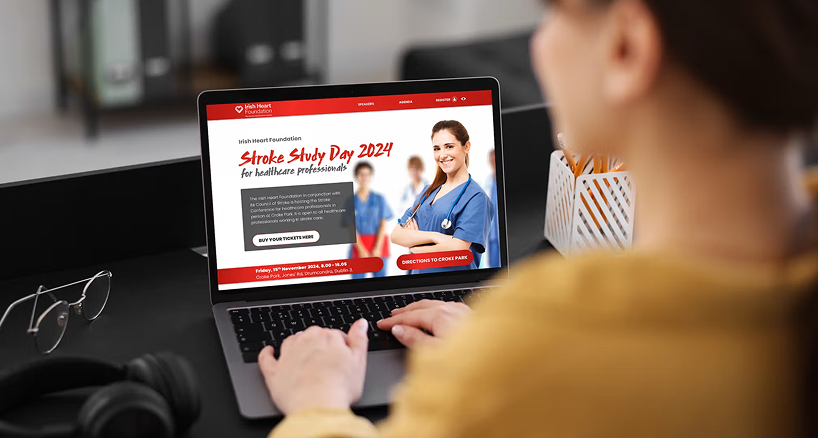
Medical congresses and industry expos are noisy, time-poor environments. A booth has seconds to signal who is represented, why a visitor should stop, and what they’ll gain. Immersive, brand-consistent experiences use sightlines, lighting, and zoning to guide traffic: a strong headline visible from distance, a clear proposition at eye level, and focal points that invite interaction—demos, data visualisations, or short-form educational content.
Print and promo pieces support the booth ecosystem. Suspended banners and wall graphics build recognition; counters and kiosks carry succinct, compliant messaging; and take-away product sheets summarise key data with QR codes for deeper digital journeys. Branded presentation decks for symposiums or theatre sessions should mirror the booth’s narrative so attendees connect the dots. Practicalities matter too: modular structures for varied footprints, durable substrates, smart packing, and clear storage labels ease on-site execution. The result is an environment that attracts the right people, tells a cohesive story, and respects regulatory boundaries without feeling sterile.
Medical Journals & Other Print Formats
Journal advertising and specialty print demand ruthless clarity. Space is tight, attention is brief, and standards are high. Effective work starts with the claim: one central message that matters to the audience, framed by the most persuasive supporting proof. Layouts benefit from a disciplined grid, where headline, visual, and data elements form a single, memorable idea. Typography should be optimised for column widths and reproduction quality of the target publication, with all essential information—indications, safety, references—present and legible.
Different journals impose different technical and regulatory specifications. Careful management of file formats, colour profiles, trim and bleed, and required statements is essential. For unbranded, disease-awareness placements, neutrality, inclusivity, and educational usefulness take precedence; for branded pieces, distinctiveness must coexist with full compliance. In all cases, scientifically credible, visually compelling messages are the goal, prompting the next action—requesting a reprint, visiting a site, or discussing with peers.
Starter Kits & Printed Support Tools
Starting a therapy or programme can be daunting. Starter kits reduce anxiety by translating instructions into a series of simple, tactile steps. Effective kits function as cohesive ecosystems: an outer pack that sets expectations, quick-start cards for day-one confidence, fold-out guides for correct technique, and trackers or diaries that support adherence. Visual sequencing clarifies “do this, then this,” while checklists and tear-off reminder cards help patients and caregivers stay organised.
Material choices should prioritise durability and usability—coated stocks that withstand spills, writable surfaces for notes, and formats that fit easily in a drawer or clinic resource wall. Where appropriate, printed tools connect to digital companions (QR codes to microlearning videos, SMS reminder enrolment, or patient portal sign-up) so support continues beyond the pack. All content should be ratified by medical and regulatory teams to ensure accuracy, fair balance, and data privacy protections. The result is an experience that reassures and empowers.

Leave-Behinds & Office Materials For HCPs
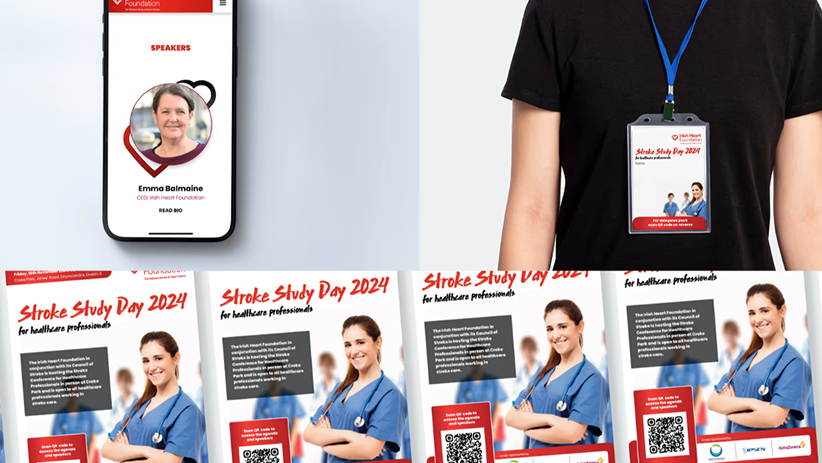
Clinic spaces are information-dense. To earn a place on a desk, wall, or exam room, leave-behinds must be practical, not merely promotional. Dosing charts, titration pathways, and desk aids should solve real daily needs—at-a-glance reference formats, foldable “pocket” versions, and laminated options for longevity. In waiting rooms, posters and patient prompts benefit from clear calls to action (“Ask me about…”) and inclusive imagery so more people see themselves reflected.
Consistency with the master brand and product identity keeps recognition strong across touchpoints, while careful content governance ensures materials remain current—version control, expiry dates, and QR links to the latest SmPC/PIL or HCP portals. As with all HCP assets, fair balance and references belong in the layout from the outset to accelerate approval. When the right tool is available at the right moment, field-force impact extends well beyond the initial meeting.
Custom Merchandise & Branded Giveaways
In healthcare, promotional items must add value, not clutter. Compliant merchandise earns its place by being useful—clinic tools (clipboards, penlights, lanyards), patient-friendly wellness items (hydration bottles with dosage reminders, pill organisers), and educational aids that reinforce correct use. Each item should be assessed against ethical marketing standards and sector codes, and branded with restraint so purpose leads, not the logo.
Sustainability and safety considerations are integral. Durable materials, minimal packaging, and suppliers with traceable, compliant production reduce waste and risk. Clear labelling, UDI considerations where relevant, and storage guidance reduce friction for clinic teams. Most importantly, giveaways should integrate with the broader communications ecosystem—QR links to a resource hub, a badge reel that doubles as a quick-reference card, or a notebook with dosing tables on the inside cover. Thoughtfully chosen and designed merchandise becomes a daily touchpoint that supports care rather than distracting from it.
Bringing It All Together: Process, Proof, and Performance
Behind every effective asset sits a disciplined process. Stakeholder alignment on audience, objectives, and guardrails provides the foundation. A clear content hierarchy and early prototypes allow medical, legal, and regulatory reviewers to respond to tangible solutions. Comprehension testing—can a reader find the dose, the indication, or the next step in under 10 seconds?—drives iteration. Production rigour matters just as much: colour management and print proofs, material specifications matched to use case, and final quality checks against approved copy and references.
Measurement closes the loop. For patient materials, useful indicators include comprehension checks, helpline queries, and programme enrolment or adherence signals. For HCP assets, field-team uptake, time spent on critical slides, and post-meeting follow-through provide insight. For events, scans and meetings booked are useful, alongside quality indicators such as time on stand and demo completion. Insights inform the next wave of creative, steadily improving clarity and impact.
Strong, skilled creative for print and promo in healthcare is not a luxury. It is a responsibility—to patients seeking clarity, to clinicians making decisions, and to brands that must earn trust every day. When creativity, compliance, and craft align, communications do more than pass approval; they perform in the real world.
Contact us today to discuss how we can collaborate to design and create your next brand campaign.We'll be delighted to help!