The Power of Well-Designed Video
in Pharma and Healthcare Campaigns
In healthcare marketing, attention is earned, not assumed. Clinicians are time-poor, patients are anxious, and everyone is overloaded with information. A well-designed, well-produced video cuts through that noise, compressing complex science and sensitive human stories into minutes that educate, reassure, and motivate action. For both HCP and patient audiences, the right video becomes a force multiplier—aligning understanding, improving adherence, and building durable trust—when it’s crafted with strategy, empathy, and regulatory discipline.
Why video works for healthcare brands
Healthcare is a category where the stakes are high and the details matter. Video blends narrative, sound, motion graphics, and on-screen text so key messages land through multiple channels of cognition at once. For HCPs, it accelerates comprehension of mechanisms of action, pathways, guidelines, and workflows. For patients and caregivers, it reduces fear, clarifies instructions, and humanises the brand behind the science. When creative craft is rooted in evidence and delivered with care, video becomes the most efficient way to turn complex ideas into confident action.
Balancing creativity with compliance
In regulated environments, video cannot be a creative free-for-all. The most effective work anticipates compliance requirements while protecting emotional resonance. Agency X produces story-driven content end-to-end—scripting, casting, filming, editing, localisation, and regulatory review support—so medical accuracy, fair balance, safety information, and approved claims are baked into the narrative from the outset. The result is content that feels human without losing scientific integrity or legal robustness.

Four core formats that deliver again and again
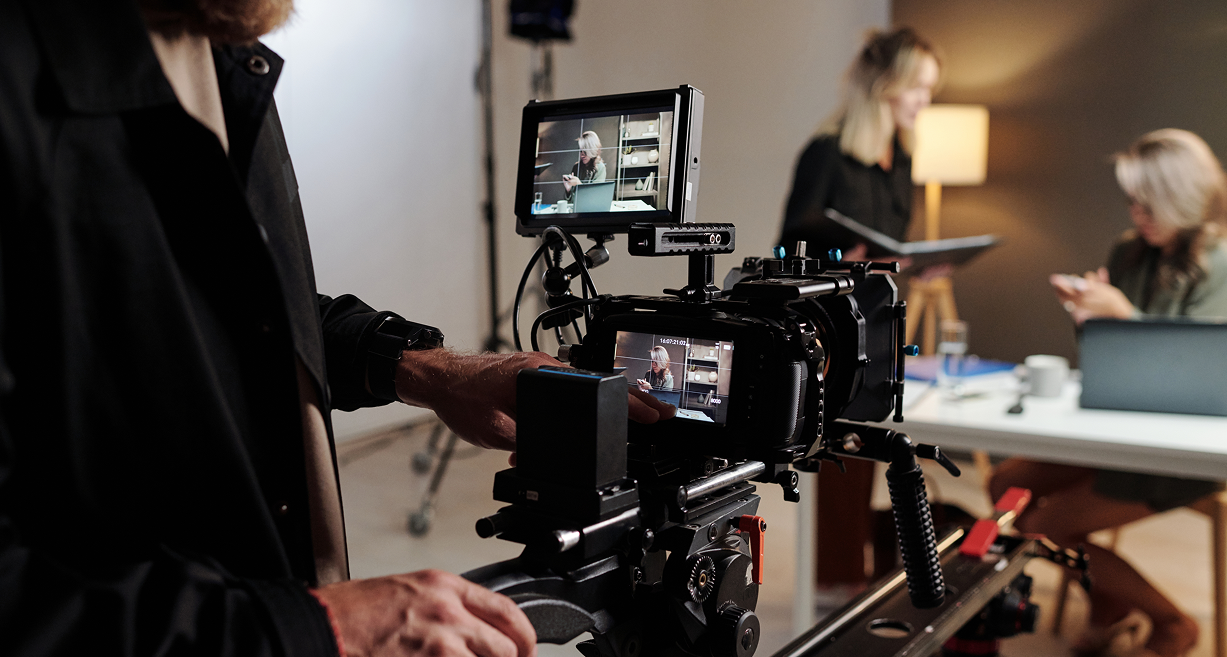
While there are many ways to use video in healthcare, four formats consistently prove their value across HCP and patient journeys: explainer videos, patient stories, physician interviews, and fireside chats. Think of these as modular building blocks you can deploy and recombine across campaigns, congresses, portals, and social channels.
1. Explainer videos: clarify the complex
What they are: Short, structured films that simplify complex topics—such as a disease pathway, dosing schedule, device setup, or service workflow—into clear, memorable sequences. Animation, motion graphics, UI captures, and illustrative B-roll are common.
Best for: HCP onboarding to updated guidance; patient how-to support; caregiver education; field training refreshers.
Why they work: Explainers impose order on complexity. With a strong script and visual logic, they reduce cognitive load and increase retention. They’re also efficient to localise because voiceover, supers, and graphics packages can be versioned without re-shooting.
What good looks like: A tight outline with three to five message pillars; language calibrated to the audience; visual metaphors that map to the science; and prominent inclusion of safety and fair-balance statements. For patient content, include show-and-tell demonstrations with clear shot framing, on-screen cues, and practical reminders that support adherence.
2. Patient stories: humanise the science
What they are: Authentic, consented narratives that follow a patient or caregiver through challenge, decision, and outcome. These can be documentary style, diary-cam, or hybrid with illustrative animation that clarifies timelines or symptoms.
Best for: Awareness and consideration stages; destigmatising conditions; adherence and lifestyle support; advocacy and fundraising; community building.
Why they work: People trust people. Seeing someone “like me” navigate diagnosis, treatment, and daily life lowers fear and raises motivation. Stories make abstract benefits tangible and memorable, and they help caregivers empathise with what the patient is experiencing beyond the clinic walls.
What good looks like: Thoughtful pre-interviews; trauma-informed interviewing; transparent consent and release forms; clear guardrails on what can and cannot be claimed; and supportive graphics for key moments. Subtitles, audio description, and culturally sensitive localisation are non-negotiables.
3. KOL interviews: credibility on camera
What they are: Structured conversations with KOLs or treating clinicians that deliver guidance, commentary on new data, or practical tips. These can be solo to camera, interviewer-led, or edited from roundtables.
Best for: HCP engagement around congress data, new protocols, or real-world implementation; patient-facing reassurance on common concerns such as side effects, titration, or living well with a condition.
Why they work: Authority plus accessibility. An expert who explains with clarity and humility carries more weight than a static PDF. These assets are quick to produce relative to their impact and are highly shareable across clinical teams.
What good looks like: Clear objectives, tight question scripts, and a filming plan that respects clinical schedules. Capture multiple framings, cutaways, and illustrative charts so editors can pace the narrative. Always include disclosures and keep claims within label, with balanced discussion of risks and monitoring requirements.
4. Fireside chats: conversation that builds community
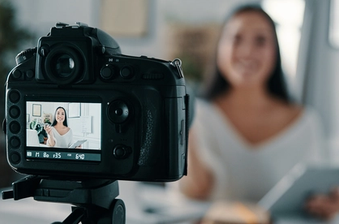
What they are: Relaxed, moderator-led discussions—often between a clinician, a patient, and a facilitator—designed to explore a topic from multiple viewpoints. Think of them as podcasts with cameras and chapter markers.
Best for: Community building, myth-busting, policy context, and complex care coordination topics where one voice is not enough. They also work well for disease awareness periods, onboarding programmes, and internal culture building across brand teams.
Why they work: The tone is humane and invitational. Viewers feel they’re listening in on a respectful conversation rather than a lecture. Clips from longer chats can be atomised into snackable reels and embedded within articles, portals, or sales materials.
What good looks like: A well-prepped moderator, a simple set with good acoustics, and a conversation spine that steers toward clear takeaways. Use chapter cards and lower-thirds to guide viewers and aid compliance review. Ensure that sensitive topics are handled with care and that all participants are fully briefed on claims boundaries.


Additional formats to round out your video toolkit
Mechanism-of-Action and science animation: Ideal for pre-clinical or early-launch education when you must visualise what cannot be filmed. Pair with citations and voiceover from subject-matter experts to retain credibility.
Clinical trial recruitment and retention videos: Focus on clarity, eligibility, visit schedules, and participant protections. Include IRB/IEC requirements, local contacts, and plain-language summaries to improve comprehension and trust.
Onboarding and device how-to videos: Step-by-step walkthroughs for injection pens, inhalers, apps, and connected devices. Use macro shots, hand doubles, and on-screen captions for each step to reduce errors and support adherence.
Event highlights and congress sizzles: Capture key sessions, booths, and interviews to extend the impact of in-person moments. Edit fast, version quickly, and plan for rights-cleared music and approved soundbites from expert speakers.
Internal training and compliance modules: Scenario-based pieces that model correct behaviours, reinforce policies, and standardise best practice. Measure comprehension with integrated quizzes in your LMS and refresh regularly.
The end-to-end process that turns ideas into impact
Strategy and discovery: Define the purpose, audience, channels, and KPIs. Inventory the claims and references available. Map the review pathway and stakeholders early so there are no surprises downstream.
Scripting: Translate strategy into a narrative with a clear arc and message hierarchy. For HCP content, foreground clinical relevance and practical application first. For patients, build confidence through empathy and plain language, avoiding jargon and ambiguity.
Casting: Whether clinicians, patients, or actors, cast for credibility, clarity, and representation. Ensure diversity that reflects real populations and meets inclusive marketing standards in every market you serve.
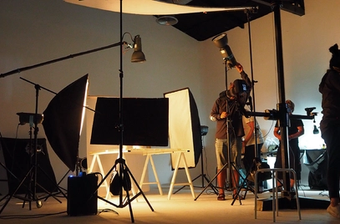
Filming: Plan for clinical environments and privacy constraints. Keep crews small, respect site protocols, and secure location releases. Capture room tone and generous B-roll for smoother edits and international versions.
Editing and motion design: Shape pace and clarity in post. Motion graphics should do real explanatory work—labels, pathways, timelines—not just decorate. Maintain readable super sizes, adequate on-screen dwell time, and accessible contrast ratios.
Localisation: Prepare for multilingual needs with exportable text layers, voiceover scripts, and graphics packages. Adapt idioms, units, health system references, and cultural nuances; never simply translate word for word.
Regulatory review support: Build fair balance into the script, keep claims within label, cite sources on-screen or in slates, and maintain version control. Provide accurate transcripts and supers for reference packs, and document approvals clearly.
Distribution: get more mileage from every video
Make platform-ready edits: Export versions for square, vertical, and widescreen. Grab attention fast—the first five seconds are everything on social.
Share it everywhere it fits: Use your website and portals, emails to clinicians, congress pages, YouTube, paid social, connected TV, waiting-room screens, and patient community channels. Break longer videos into short clips so people can watch in quick bursts.
Build in accessibility: Add subtitles and transcripts, keep text clear and high-contrast, and offer audio descriptions where helpful. These touches help everyone, not just people with specific needs.
Measure what matters and improve: Look at how many people finish the video, which parts they rewatch, and what they do next (click a link, sign up, follow guidance). Use those learnings to tweak the hook, pace, and length for the next cut.
Quality principles that separate good from great
- Start with truth. Build from approved data, not assumptions. Verify every claim and align on what success looks like.
- Design for emotion and cognition. Pair feeling with facts. Use music and sound design judiciously to support, not manipulate.
- Respect time. Keep runtimes tight. Chapters and on-screen navigation help busy viewers jump to what they need.
- Show, don’t tell. Demonstrations beat descriptions. Use macro shots, diagrams, and overlays to make instructions unmissable.
- Make consent sacred. Use clear, layered consent for all real-person footage. Explain how and where content will appear and for how long.
- Build for longevity. Create modular assets and archive raw files with metadata so content can be updated without costly re-shoots.
A practical checklist for your next healthcare video
- Objective, audience, channels, and KPIs agreed.
- Claims, references, and safety language compiled.
- Script with message hierarchy and compliance notes approved.
- Consent and releases secured; HIPAA/GDPR-aligned handling in place.
- Diversity and representation confirmed for cast and locations.
- Shot list, locations, and contingency plans locked.
- Graphics package and lower-thirds templates prepared.
- Localisation plan and subtitle templates created.
- Medical-legal-regulatory review timeline booked.
- Measurement plan and analytics tags prepared.
Bringing it all together
In pharma and healthcare, the right video does more than “tell a story.” It unlocks understanding, changes behaviour, and builds trust. Whether you need an explainer to clarify a complex pathway, a patient story to humanise an experience, a physician interview to add authority, or a fireside chat to connect perspectives, the opportunity is the same: combine creative craft with scientific accuracy and regulatory care. Plan with intent, script with clarity, film with empathy, and design for accessibility from day one. Localise with cultural care, measure what matters, and iterate with purpose. Do that consistently, and video stops being an expensive deliverable and becomes a durable asset that moves patients and professionals to better decisions.
What makes Agency X different
Explainer videos, patient stories, physician interviews, fireside chats—we produce story-driven video content that engages. From capturing authentic patient journeys to filming physician interviews and educational explainers, our end-to-end video services include scripting, casting, filming, editing, localisation, and regulatory review support. We balance creativity with compliance to deliver video content that resonates emotionally while communicating vital information clearly and responsibly. Because we plan for distribution and measurement from day one, our videos work across channels and markets, not just the day they launch.
Contact us today to discuss how we can collaborate to design and create your next brand campaign.We'll be delighted to help!