The Design Checklist:
For Delivering Stand Out Healthcare Events
Healthcare events sit at the intersection of science and story. Strong design is not decoration. It is the system that makes complex information clear, compliant, and memorable. For clients commissioning event design, the goal is an experience that turns an agenda into a narrative, a stage into a learning environment, and a brand into a trusted guide before, during, and after the day.
Design should keep intent visible across every moving part, from save-the-date to final follow up. In environments shaped by Medical, Legal, and Regulatory review, privacy controls, accessibility, and accuracy, design also guards against risk. The right approach produces an experience that looks refined and functions responsibly.
Below is a practical checklist for what to look for across the full event lifecycle.

1. Conceptualisation
Seek a partner who starts with strategy, not aesthetics. Expect:
- A clear articulation of why the event exists, who must leave changed, and what they should think, feel, or do afterward.
- Theme ideation grounded in scientific reality and brand truth.
- Messaging frameworks that define what can be said to which audiences and how copy adapts for on-label accuracy and country approvals.
- Audience mapping for HCPs, payers, policy stakeholders, patients, and internal teams.
- Narrative flow that structures the day into context, problem, evidence, solution, and action.
A rigorous concept should double as a governance tool. It should help stakeholders judge fit, give reviewers a frame for evaluation, and provide presenters with a shared story so attendees carry a coherent mental model home.

2. Visual Identity and Team Enablement
Look for an identity system that is brand-true yet event-distinct. Expect:
- A logo or mark, colour palettes, typography, grids, iconography, and motion principles that scale across screen and print.
- Testing for legibility and contrast under venue lighting, with WCAG-compliant colour ratios and type sizes.
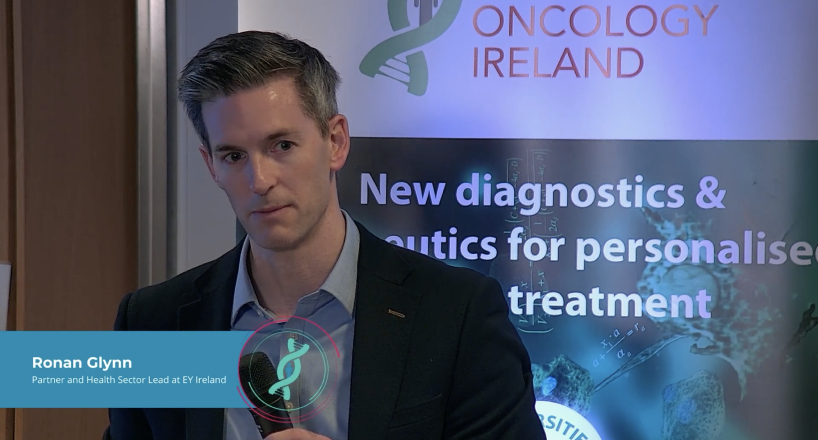
- Ready-to-use speaker templates, name badges, lanyards, crew apparel, social assets, and internal briefings.
For fast approvals, demand pre-approved variations: long and short marks, static and motion options, dark and light treatments, and localised templates. A well-codified system reduces rework, protects compliance, and keeps the event premium end to end.

3. Stage, Digital, Web, and Video Elements
Expect design that bridges room and screen.
Stage
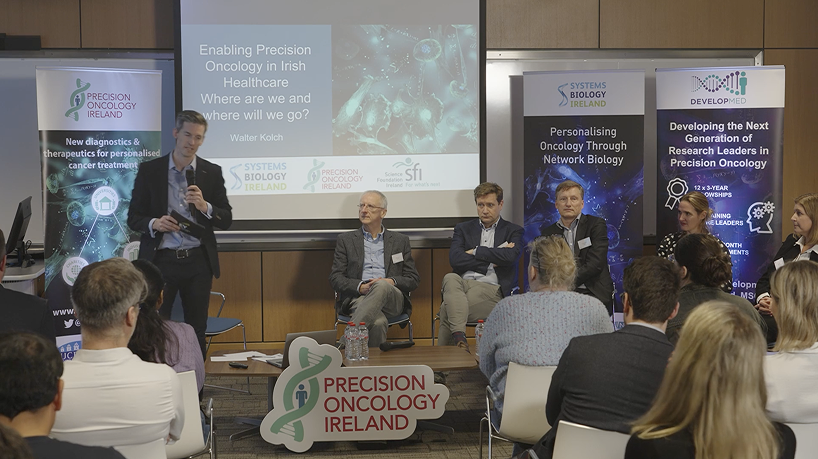
- Motion backgrounds, animated title cards, agenda transitions, lower thirds, and walk-on loops for visual continuity.
- Readable slide systems for data-heavy content, with clear hierarchy, progressive disclosure, and audience-friendly charts.
Web and Platform
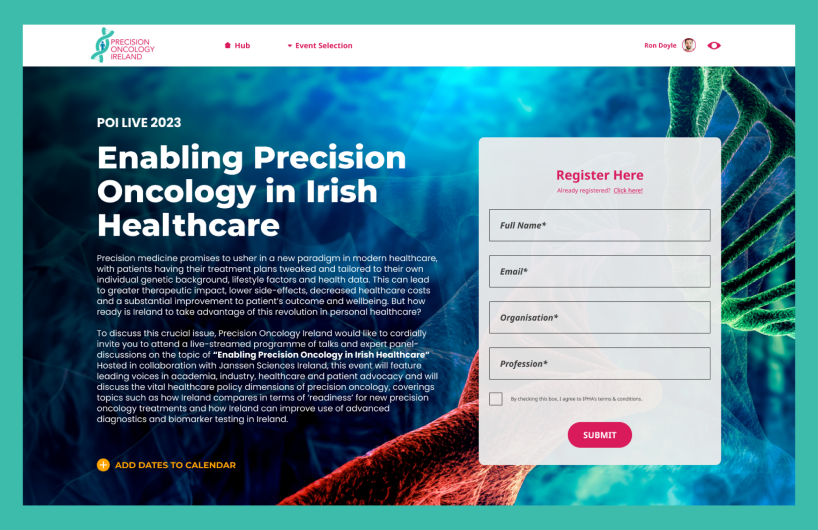
- Branded microsites, registration portals, and digital agendas that load quickly on mobile and behave consistently across browsers.
- Form design that minimises friction while meeting GDPR requirements through transparent consent and clear privacy copy.
- For hybrid or virtual formats, platform navigation and wayfinding that act as the venue, with captions and keyboard navigation available.
Video
- Scripts, intros, bumpers, highlights of KOLs (líderes de opinião), and recaps that translate evidence into compelling stories.
- Graphics packages built once and reused across edits, balanced audio for varied acoustics, and broadcast-ready mixes.
- Version control tied to MLR requirements and country codes, with claims and visuals traced to approved sources.
Interactivity
- Live polls and digital Q&A that invite participation and surface insight.
- Countdown timers and recording overlays that keep timings on track and create clean assets for post-event learning.
- Technical flexibility so interactive components slot into the AV stack or run standalone.

4. Speaker Coaching and Script Support
Great visuals cannot rescue unclear messages. Expect support that:
- Refines speaker narratives, simplifies slide sequences, and rehearses delivery in plain language with clinical relevance.
- Covers stagecraft that respects science and audience needs, including pacing for simultaneous translation and pausing for data.
- Packages scripts and slides for MLR review, with references and backup notes ready for auditors.
Prepared speakers elevate attention, improve questions, and reinforce brand credibility through clarity and care.

5. Post-Event Recaps and Highlights
Insist on assets that extend the life of the event.
- Recap videos for rapid consumption.
- Social cutdowns for paid and organic amplification.
- Segmented email follow ups by role, interest, or session attendance to deliver the right content at the right time.
- Content kits for sales, medical, and corporate teams that protect message integrity while enabling reuse.
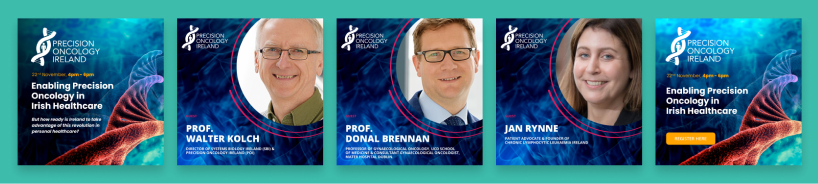
Accessibility and measurement should be built in. Captions, transcripts, high-contrast graphics, and readable type expand reach. Analytics should track completion rates, re-watches of key chapters, clicks to tools, and downstream actions such as enrolment or guideline adoption. Insights should feed the next event to create continuous improvement.
6. Environmental Signage and Wayfinding
Physical space communicates. Look for:
- Large-format design that creates a coherent environment and supports the programme rather than competing with it.
- Early mapping of sightlines, crowd flow, and dwell zones so signage helps people move confidently.
- Wayfinding that uses plain language, consistent icons, and predictable placement to reduce cognitive load.
Material choices matter in healthcare. Favour sustainable substrates, low-glare finishes, and calming colour palettes. Print specs should include bleed, resolution, and lighting notes. For hybrid venues, digital signage should mirror the physical system so remote audiences share the same cues.
In Conclusion: Why These Criteria Change Outcomes
In corporate healthcare, stakes are high. Meeting these criteria improves knowledge transfer, reduces risk, and accelerates approvals. Cross-functional teams align around one story, shrinking the gap from idea to execution. Assets continue to deliver value long after the lights come up. Most importantly, attendees feel their time was respected because every minute was clear, useful, and human.
Investing in these standards turns an event into a strategic asset for brand, scientific narrative, and stakeholders. The science deserves nothing less.
Contact us today to discuss how we can collaborate to design and create your next brand campaign.We'll be delighted to help!