The Power of Design:
Why Original Event Identity Defines Professionalismand Success
When people step into an event or log in to a virtual conference, the first thing they notice isn’t the content — it’s the design. From the colors on the screen to the flow of signage, from the opening video to the speaker slides, design acts as the silent host, setting the tone for everything that follows. A well-executed, original design not only creates a professional impression but also builds trust, elevates engagement, and cements the event’s identity in attendees’ memories.
In today’s competitive landscape — where audiences have seen it all, attention spans are short, and expectations are higher than ever — good design is not decoration. It’s strategy.
Below, we explore six essential areas where strong, original design brings professionalism and impact to your events and conferences.

1. Conceptualisation: Building From Purpose
Every great event starts with a big idea. But that idea needs to be more than just a catchy tagline; it must be grounded in the event’s strategic purpose. This is where conceptualisation comes in.
At its heart, conceptualisation is about aligning creative thinking with business goals. We begin by asking key questions: What is the purpose of the event? Who is the audience? What outcomes do we want to drive? From these insights, we develop a central creative concept — the narrative thread that weaves through every element of the experience.
This process includes:
- Theme ideation: Generating concepts that are not only visually appealing but also intellectually resonant with the audience.
- Messaging frameworks: Crafting the language, tone, and key takeaways that will carry the event’s story.
- Audience mapping: Understanding attendee segments — from executives and thought leaders to frontline professionals — and tailoring content flow to engage each group effectively.
- Narrative flow: Designing the journey so the event feels purposeful, dynamic, and emotionally engaging from start to finish.
By setting a strong conceptual foundation, the event becomes more than just a collection of sessions. It becomes a cohesive story, scalable across signage, presentations, video, web, and digital engagement tools. That clarity translates into professionalism and makes the event’s identity impossible to forget.
2. Visual Identity & Team Experience
If conceptualisation is the soul of an event, visual identity is its face. This is where strategy meets design craft, and where the professionalism of an event is instantly visible.
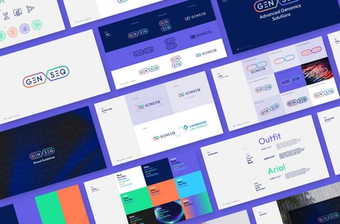
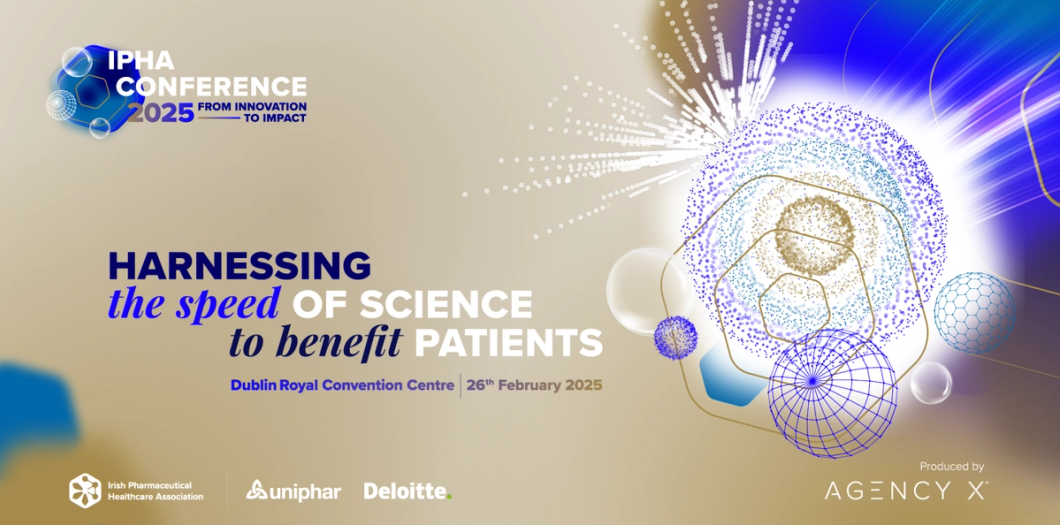
A cohesive visual identity ties everything together. From the logo or event mark to the color palette, typography, and layout systems, design choices must feel distinct and memorable while remaining faithful to the host brand. This balance ensures the event is instantly recognisable, yet fresh and exciting in its own right.
But visual identity goes beyond the screen or stage backdrop. A successful event design extends to:
- Speaker templates: Professional, consistent slides ensure presenters deliver within the same visual framework, enhancing credibility.
- Name badges and lanyards: Small but powerful items that communicate attention to detail.
- Branded apparel: Staff uniforms or branded gear that make the team visible, unified, and approachable.
- Social media graphics: Assets that amplify the event digitally, creating buzz and consistency across platforms.
- Internal briefings: Clear, branded materials for the event team to align everyone on the vision and logistics.
The result? A professional ecosystem where attendees, speakers, and staff all feel part of something larger. This unified look and feel builds trust, reduces friction, and ensures the event runs as smoothly as it looks.
3. Stage, Digital, Web & Video Elements
In today’s hybrid and digital-first environment, the stage is no longer just a physical platform. It extends into digital spaces, web platforms, and video content — all of which must be designed with equal precision.
Stage Design & On-Screen Graphics
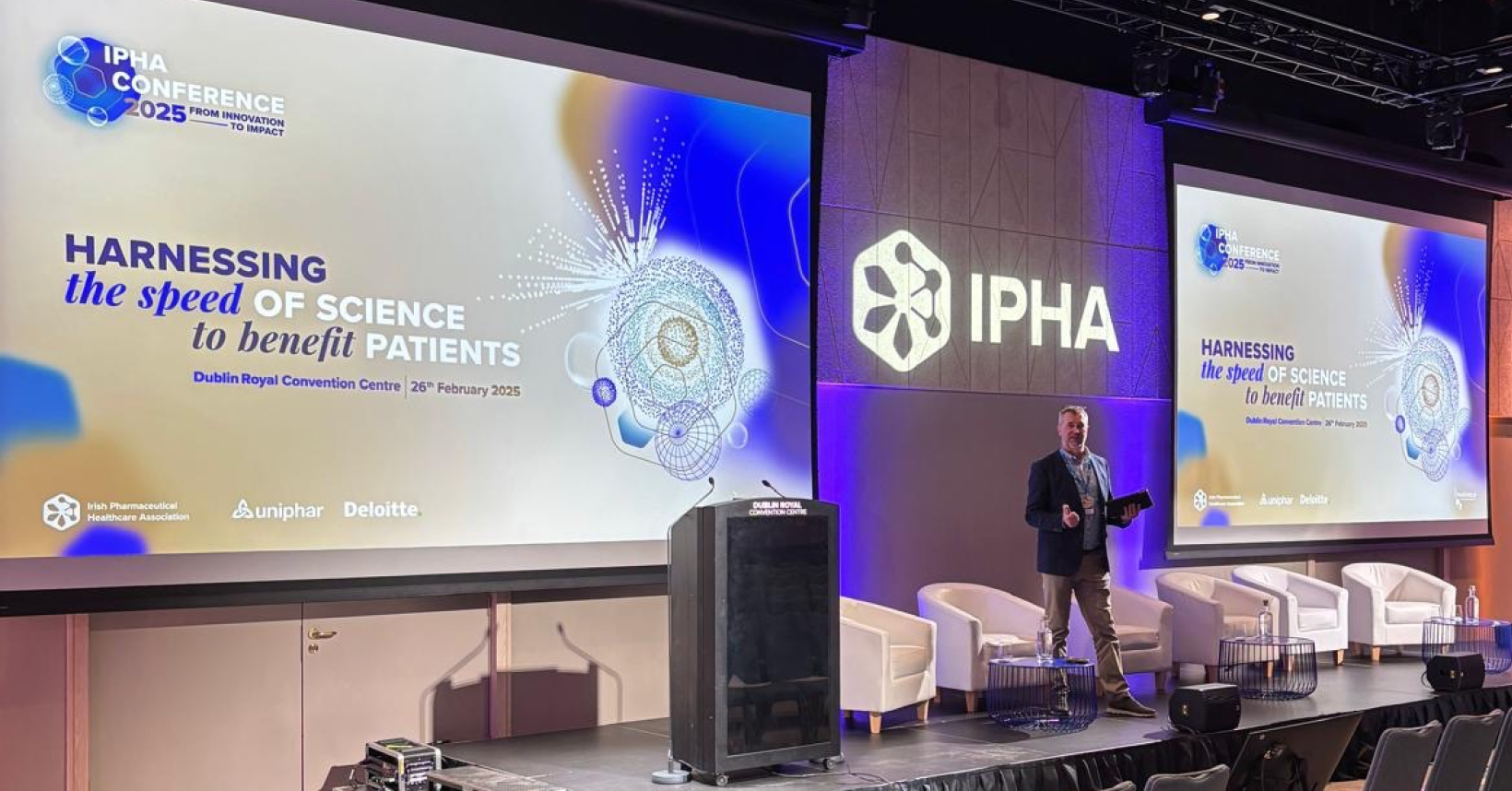
High-quality motion backgrounds, animated title cards, agenda transitions, and walk-on loops elevate the stage experience. These details keep energy high, prevent visual fatigue, and reinforce the event’s creative identity.
Web & Event Platforms
A branded microsite or event portal is often the first point of contact with attendees. From registration portals to digital agendas, the design must be mobile-friendly, accessible, and compliant with data privacy regulations. A seamless, visually cohesive platform sets expectations for professionalism before the event even begins.
Video Production
Few mediums capture attention like video. From opening intro reels to KOL (Key Opinion Leader) highlights, animated bumpers, and recap films, video creates emotional resonance while providing professional polish. Each piece can be scripted, filmed, animated, and edited in-house — ensuring consistency and medical/legal review compliance.
Interactive Elements
Digital interactivity keeps audiences engaged in ways static formats cannot. Live polls, countdown timers, Q&A sessions, and session overlays transform passive viewers into active participants. Designed well, these tools don’t just engage during the event — they extend its reach and usability long after.
Collaboration with AV/production partners ensures these elements integrate seamlessly into the live or virtual environment. Whether turnkey or custom-built, digital design is the difference between a flat experience and a professional, energised event ecosystem.
4. Speaker Coaching & Scriptwriting
No matter how striking your design, events are ultimately powered by people — the speakers who carry the message. Without preparation, even the most knowledgeable experts can falter. That’s why speaker support is a design consideration in its own right.
Professional coaching ensures that speakers don’t just present slides, but deliver stories. This includes:
- Speechwriting & storyboarding: Structuring talks for clarity, persuasion, and audience engagement.
- Presentation coaching: Helping speakers project confidence, use visual aids effectively, and adapt to stage or camera environments.
- MLR-safe script preparation: Ensuring compliance with medical, legal, and regulatory standards in highly regulated industries.
The result? Speakers who embody the event’s professionalism, delivering content in a way that is both compelling and compliant.
5. Post-Event Recaps & Highlights
Design doesn’t stop when the last session ends. In fact, some of the most impactful design happens after the event, when content is repurposed to extend value and reach.
Recap videos capture the energy and highlights of the event, keeping momentum alive. Social cutdowns — short, shareable video snippets — amplify impact across platforms. Branded email follow-ups reinforce key messages and drive continued engagement.
Beyond marketing, professionally designed post-event packages serve as valuable internal assets: they can inform future planning, onboard those who couldn’t attend, and provide stakeholders with measurable evidence of the event’s success.
By treating post-event content as a strategic design deliverable, you turn one-time experiences into long-lasting professional assets.
6. Environmental Signage & Wayfinding
Events are physical journeys as much as intellectual ones. Attendees need to know where to go, how to navigate spaces, and how to feel immersed in the event environment.
Environmental signage and wayfinding are the unsung heroes of event professionalism. Large-format banners, registration backdrops, and booth graphics aren’t just practical; they communicate scale, investment, and credibility. Directional signage, meanwhile, ensures attendees feel confident navigating spaces — reducing stress and enhancing the attendee experience.
A well-designed spatial experience achieves three things:
- Clarity: Attendees know exactly where to go and never feel lost.
- Immersion: The visual identity carries seamlessly into the physical environment.
- Professionalism: Every touchpoint reflects care and consistency, leaving no detail unfinished.
In Conclusion: Design as a Strategic Advantage
Original, professional design isn’t a “nice-to-have.” It’s the bedrock of a successful event. From the earliest stages of conceptualisation through to post-event recaps, design ensures that every detail contributes to a unified whole. It communicates professionalism, builds trust, and creates lasting memories for attendees.
In a world where competition for attention is fierce, design is your differentiator. It elevates your event from ordinary to extraordinary, ensuring your brand’s story is not only heard but remembered.
Great design doesn’t just make your event look good — it makes your event work.
Contact us today to discuss how we can collaborate to design and create your next brand campaign.We'll be delighted to help!