Proof Through Design:
How Exceptional Creative Powers Corporate Rebrands in Healthcare and Pharma
In healthcare and pharmaceuticals, changing a corporate brand is closer to rebuilding an aircraft in flight than repainting a livery. The stakes are clinical, financial, and reputational. A rebrand has to reassure clinicians, inform patients, satisfy regulators, align global teams, and carry complex science without distortion. Creative excellence is what turns those demands into clear, everyday practice. It converts research into direction, policy into simple rules, and ambition into work that people can use.
Below is a practical framework across six pillars that keeps a rebrand rigorous, human, and deployable in real settings.
1) Brand Development: Research and Analysis that Lead
Strong creative starts with reality, not opinion. Healthcare environments shift quickly as evidence updates, competitors reposition, and reimbursement criteria evolve. The research phase should give the creative team a truthful map of that terrain.
Begin with a system view. Plot the decision chain from first awareness to routine use, listing the people and processes that influence adoption. Include clinical leaders, procurement teams, payers, pharmacists, patient advocates, regulators, and front line practitioners. Ask where friction appears. It might be documentation burden, operational risk, patchy service coverage, or low confidence in data quality. Pair deep interviews and advisory boards with quant surveys and desk analysis so anecdotes are weighed against scale.
Audit the current brand with the same discipline. Measure distinctiveness in crowded comparison sets, clarity of value, consistency of tone, and any areas where claims and creative could wander near compliance boundaries. Review the materials that carry most weight in practice, for example clinical education, investor updates, partner decks, and workforce communications.
Translate those inputs into creative direction. If transparency drives trust, make sure the future brand habitually shows sources, sample sizes, and study limits. If speed to a decision is vital, specify skim friendly layouts, short sentences, ordered headings, and predictable patterns. Where you must serve both clinician and patient audiences, set out the switches early. That means tone, reading level, alternative formats, and the very different kinds of proof each group expects.
Treat risk as a partner to research. List phrases that require qualifiers, categories that need fair balance or safety information, and visuals that must meet accessibility standards. Engage medical and legal before concept work hardens, and capture their rules as design constraints. The result of research is not a slide deck. It is a creative brief that is specific, defensible, and practical for the teams who will live with it.
2) Brand Naming: The Small Word that Carries the Large Idea
Corporate naming in healthcare is unusually demanding. A good name must travel across languages, avoid confusion with compounds or therapeutic classes, and steer clear of implied clinical promises. It should sound natural when spoken at a ward desk or a board meeting, and it needs enough character to anchor a visual system.
Run a structured process. Define territories worth exploring, for example precision and science, partnership and care, reliability and progress. Generate widely, then judge tightly. Score candidates on meaning, tone, cultural fit, ease of pronunciation, searchability, and legal availability. Work with linguists to test risky homophones or unwanted associations in priority markets. Keep stakeholder reviews focused on choosing, not redesigning.
Bring short listed names to life. Write two or three sample taglines, a paragraph that explains the idea, and a few quick applications such as a letterhead, a sign, and a slide cover. Many names look average in isolation but feel right when they carry a clear story and sit in real context. That is what earns internal adoption and external recall.
3) Brand Messaging and Positioning: A Promise that Stands Up to Scrutiny
A corporate promise in this sector must inspire people and survive inspection. It needs to say what the organisation does, how it differs, and why that difference improves outcomes or operations. The same idea should work across therapy areas and geographies, and it must break down into usable messages for very different audiences.
Use a tiered structure. Open with a simple promise tied to purpose and strengths. Support it with three or four value pillars that map to what matters most for buyers and partners, such as quality and data integrity, supply continuity, clinical collaboration, or service speed. Under each pillar, list proof points that can be cited without fuss. Typical candidates include audit and inspection performance, manufacturing uptime, evidence generation programmes, time to fulfilment, and sustainability results.
Language choices signal integrity. For clinicians and regulators, keep wording balanced, cautious, and precise. Do not suggest comparative clinical benefits without the right context or qualification. For patients, use plain English and practical signposting to services, and make sure reading level and contrast meet accessibility standards. Provide reusable microcopy patterns so busy teams know how to introduce risk information, reference studies, and describe partnerships without implying endorsement.
Turn the framework into working tools. Create a message house for leaders, short copy for sales and field medical teams, and a library of proof statements that can be lifted into decks and proposals. When the message set is consistent and citable, approvals move faster and local adaptations remain on brand.

4) Corporate Branding: Systems that Work in the Real World
The corporate brand sets expectations before any product conversation begins. In health, the most effective corporate brands feel dependable and open. The job of the system is to help that feeling appear consistently, whether it is an investor update, a site induction, or a poster at a community event.
Decide the architecture first. Set the relationship between the corporate brand and product, service, or programme brands. A house of brands can isolate promotional risk or support very different audiences. A branded house concentrates reputation and simplifies procurement conversations. Write clear rules so teams know when to lead with the company and when to lead with a solution.
Design for operations, not only for show. The system must work on grant applications, training materials, safety notices, facility signage, and regulated PDFs as well as social and video. Provide production ready templates for presentations, RFP responses, medical reviews, and education packs. Accessibility is non negotiable. Specify minimum type sizes, colour contrast, link visibility, alt text approaches, and layouts that survive translation and right to left scripts where relevant. Build a photo and illustration library that reflects real care settings and diverse audiences. Avoid staged scenes that reduce credibility.
Treat adoption as a programme. Secure senior sponsorship, run short learning sessions for field and medical teams, and plan phased rollouts for packaging and systems. Offer a help route where people can get quick guidance, access templates, and request exceptions. A beautiful system that nobody can use is not a brand, it is a folder on a server.
5) Brand Guidelines: Guardrails that Speed Work and Reduce Risk
Guidelines turn intention into daily behaviour. In healthcare they also keep people safe by making boundaries explicit. Write the guidance for human beings, not just for designers.
Start with the core idea then show how it behaves. Cover logos, colour, type, spacing, grids, and imagery, but keep explanations plain. Add a voice and tone section with examples for clinicians, patients, investors, policy makers, and partners. Include rules for evidence citation, qualifiers, fair balance, and safety statements, and show where those appear in standard layouts. Define the presentation of data. That means legible scales, neutral colour choices, clear labels, and honest notes about limitations.
Templates make quality repeatable. Provide modular formats for fact sheets, clinical posters, conference screens, social cards, onboarding materials, and advisory board packs, each with space for mandatory statements. House everything in a digital asset manager with permissions and version control. Add short training videos, a simple knowledge check for certification, and a schedule for periodic audits. Invite local teams to submit strong examples and fold the best of them into the library, so the system improves with use.
6) Logo and Visual Identity: Recognition that Serves Clarity
A logo and visual language are the most visible outcomes of a rebrand, but they are not the purpose. In health and pharma, the identity must suggest trust, competence, and care while leaving room for both technical and human stories.
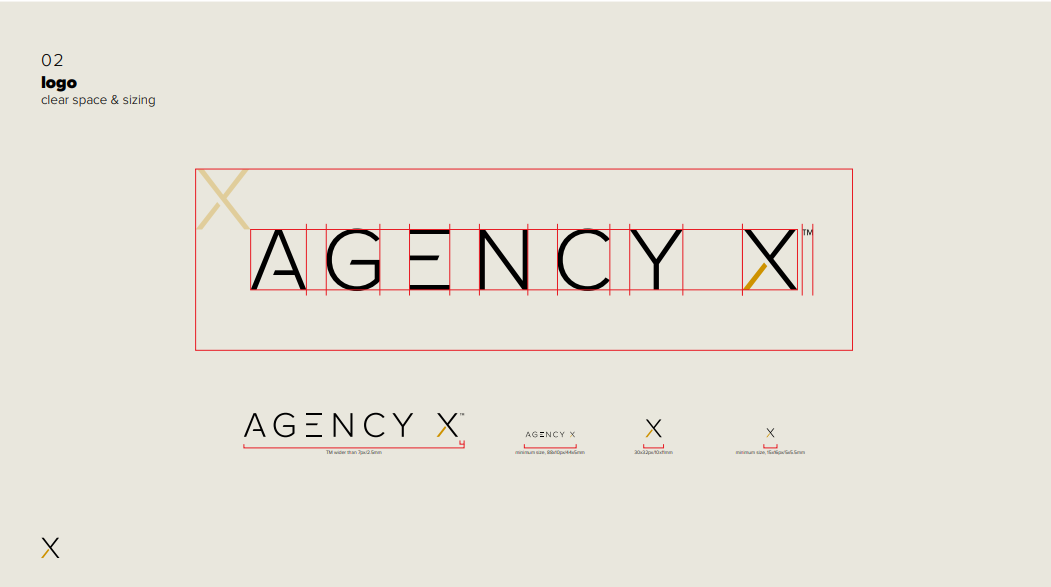
Keep the mark restrained and robust. Choose shapes that are distinctive without being fussy. Avoid literal medical symbols unless handled with care. Plan a lockup that handles sub brands, legal entities, and multiple languages. Test the mark at the sizes that matter most, such as app icons, labels, lab forms, and deck footers. Prepare colour and monochrome options that print faithfully on different stocks. Pair the logo with typography that reads comfortably in long documents and shows numbers, tables, and units cleanly.
Build a purposeful visual language around the mark. Restrict the palette and list accessible combinations. Create chart and table styles that make complex information digestible at a glance, and include examples of good and poor practice. Use illustration and icons to explain processes, safety protocols, and service pathways, and write usage notes so figures do not imply claims. For photography, prioritise consent, authenticity, and diverse representation. Define motion and video basics such as pacing, transitions, supers, and lower thirds.
Prototype in real workflows before signing off. Apply the identity to a clinical education slide, a tender response, a safety data sheet, a web landing page, and a patient leaflet. Check readability, colour consistency, and file weight. Ask medical affairs and front line users for feedback. Fold lessons back into the guidelines so future teams benefit.
Bringing the Pieces Together
A successful corporate rebrand balances imagination with discipline. Research keeps work honest. A considered name sets direction. Positioning and messaging create a voice that is distinctive and responsible. The corporate system turns values into everyday practice. Guidelines allow quality at scale. The identity brings recognition without crowding out clarity.
The gains are practical. Rework falls, approval cycles shorten, and country teams move faster because tools are ready and rules are transparent. Clinicians and procurement teams find information easier to judge. Patients and carers understand support routes more quickly because content respects accessibility. Most of all, the organisation presents a coherent picture of who it is and what it stands for. In healthcare that is not only competitive advantage. It is part of doing the right thing.
Creative excellence is not decoration. It is how a healthcare company proves intent, organises complexity, and earns trust over time. With a research led plan, disciplined execution, and design choices that respect regulation and accessibility, a rebrand can launch cleanly and build momentum with every interaction.
Agency X ….. your design and creative partner
Agency X specialises in strong creative for healthcare and pharma rebrands and brand refreshes. Teams get systems that are compliant, scalable, and easy to deploy, from boardroom presentations to clinic walls, so brands look sharp, remain safe, and build lasting trust. Contact us today hello@agencyx.ie
Contact us today to discuss how we can collaborate to design and create your next brand campaign.We'll be delighted to help!