Healthcare Marketing that means Business:
The Strategy Behind Stronger Healthcare Campaigns
Healthcare and pharmaceutical organisations operate in one of the most complex communication environments in the world. Scientific rigour, regulatory requirements, and patient wellbeing must all be balanced with the need to communicate clearly and effectively with multiple audiences. From clinicians and pharmacists to patients and policymakers, every stakeholder requires information that is accurate, meaningful, and trustworthy.
This complexity means that marketing in healthcare cannot rely on traditional advertising tactics alone. Instead, it requires carefully designed brand and campaign strategies that combine insight, creativity, and compliance. When done correctly, these strategies help organisations translate complex science into compelling narratives, build trust with healthcare professionals, and ultimately improve patient outcomes.
A well-developed healthcare brand and campaign strategy acts as a roadmap. It ensures that every communication effort, from disease awareness campaigns to product launches, aligns with a coherent message and delivers measurable impact. Without such a strategy, even the most innovative medical products or services can struggle to gain recognition or engagement.
This article explores the core components of effective healthcare brand and campaign strategy and why these elements are essential for success in the pharmaceutical and healthcare sectors.
Understanding the Unique Challenges of Healthcare Marketing
Marketing in healthcare is fundamentally different from marketing in other industries. In consumer markets, emotional storytelling and visual appeal often dominate campaigns. While these elements still matter in healthcare, they must be carefully balanced with scientific accuracy and ethical responsibility.
Healthcare communications often involve strict regulatory frameworks. Pharmaceutical companies must adhere to industry codes of practice, ensuring that promotional messaging is fair, balanced, and evidence-based. Claims must be supported by clinical data, and campaigns must be designed with patient safety and professional integrity in mind.
Additionally, healthcare audiences are highly diverse. A single campaign may need to communicate effectively with specialists, general practitioners, pharmacists, patients, caregivers, and healthcare policymakers. Each audience has different needs, levels of expertise, and expectations.
Because of these complexities, successful healthcare campaigns rely on strategic planning that begins long before any creative work starts. Research, insight gathering, and stakeholder mapping are essential steps in understanding how best to communicate medical information in ways that resonate with each audience.

The Role of Brand Strategy in Healthcare
Brand strategy is the foundation upon which all successful campaigns are built. In healthcare, a strong brand represents far more than a logo or colour palette. It reflects the values, purpose, and scientific credibility of an organisation or product.
A well-defined healthcare brand answers several critical questions:
- What problem does the organisation or product solve?
- Who benefits from it?
- Why should healthcare professionals or patients trust it?
- How does it differentiate itself from alternatives?
When these questions are clearly answered, the brand becomes a powerful communication tool. It helps healthcare professionals quickly understand the value of a product or service and enables patients to connect with information in a meaningful way.
Brand strategy also ensures consistency across every touchpoint. Whether someone encounters a campaign through a conference presentation, a digital platform, or educational materials, the messaging should feel coherent and recognisable. Consistency builds familiarity, and familiarity builds trust.
In a sector where credibility is paramount, this trust becomes one of the most valuable assets a healthcare brand can possess.
Insight and Research as the Strategic Starting Point
Effective healthcare marketing begins with insight. Before a campaign can be developed, organisations must understand the real challenges faced by their audiences.
For healthcare professionals, these challenges might involve treatment complexity, clinical workload, or changing guidelines. For patients, they may involve navigating a diagnosis, managing symptoms, or understanding treatment options.
Insight gathering typically involves several forms of research:
- Stakeholder interviews with clinicians, pharmacists, and patient groups
- Market analysis to understand competitive positioning
- Behavioural research examining how people seek and process medical information
- Data analysis from previous campaigns or real-world healthcare trends
These insights provide the foundation for strategic decision-making. They reveal which messages are most relevant, which channels are most effective, and which barriers must be addressed to drive engagement.
Without this foundation, campaigns risk focusing on assumptions rather than real needs. In healthcare, where misinformation can have serious consequences, evidence-based strategy is essential.
AI as a Strategic Starting Point
Artificial intelligence can be a powerful starting point in developing marketing strategy. It can analyse large volumes of data, identify patterns in audience behaviour, generate early messaging ideas, and highlight potential opportunities that might otherwise take weeks to uncover. In this sense, AI is an excellent catalyst for strategic thinking, helping teams explore directions and spark new concepts quickly. However, turning those early sparks into a campaign that is credible, compliant, and truly effective requires human expertise. Strategic judgement, industry knowledge, regulatory awareness, and creative intuition are essential for shaping raw ideas into messaging that resonates with real audiences. In healthcare and pharmaceutical marketing especially, human oversight ensures that strategy is accurate, responsible, and aligned with both scientific evidence and market realities. AI may help start the process, but it is human insight that refines the thinking, sharpens the narrative, and ultimately delivers a strategy that is ready for the real world.
Crafting Clear Messaging and Positioning
Healthcare information is often complex. Clinical trials, treatment pathways, and scientific mechanisms can be difficult to translate into clear and engaging communication.
Strategic messaging bridges this gap.
Messaging frameworks distil complex scientific data into clear, structured narratives that highlight the most important benefits and insights. These frameworks ensure that every piece of communication, whether a conference presentation or a digital campaign, reinforces the same core messages.
Positioning is equally important. In crowded therapeutic areas, healthcare professionals are exposed to numerous treatment options and research updates. A clear positioning strategy helps a brand stand out by articulating what makes it distinct and why it matters.
Strong messaging does not oversimplify science. Instead, it translates complex information into language that respects the expertise of healthcare professionals while remaining accessible to broader audiences.
This clarity is especially important in disease awareness campaigns, where the goal is often to educate patients or encourage earlier diagnosis. When messaging is clear and empathetic, it can empower individuals to seek treatment and improve health outcomes.

Campaign Strategy and Integrated Communications
Once the brand strategy and messaging framework are established, organisations can begin developing campaign strategies that bring these ideas to life.
Healthcare campaigns often combine multiple communication channels to reach their audiences effectively. These channels may include:
- Digital platforms and educational websites
- Social media engagement
- Medical conferences and professional events
- Print and digital educational materials
- Video content and patient storytelling
- Healthcare professional training initiatives
An integrated campaign ensures that all these channels work together rather than operating independently. Each element reinforces the same narrative and strategic objectives.
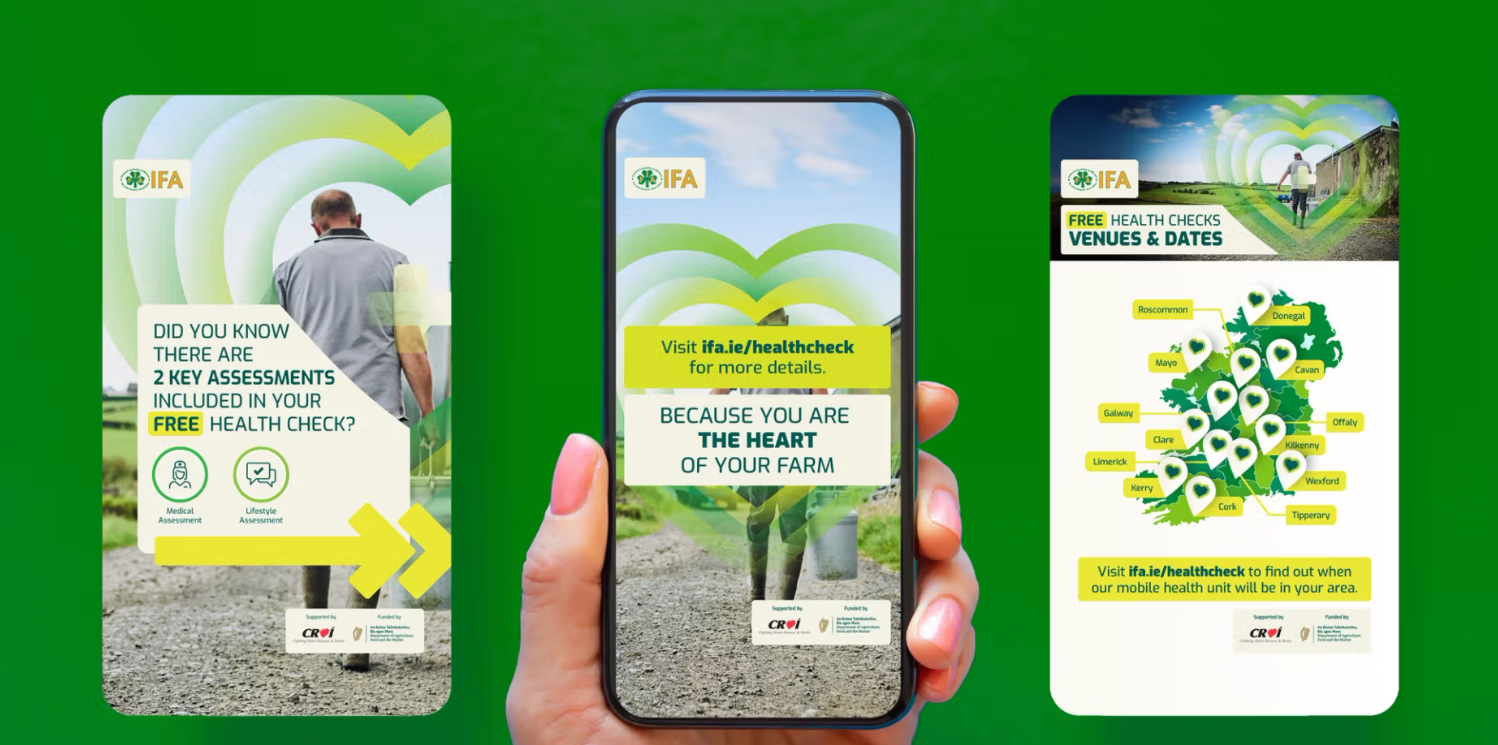
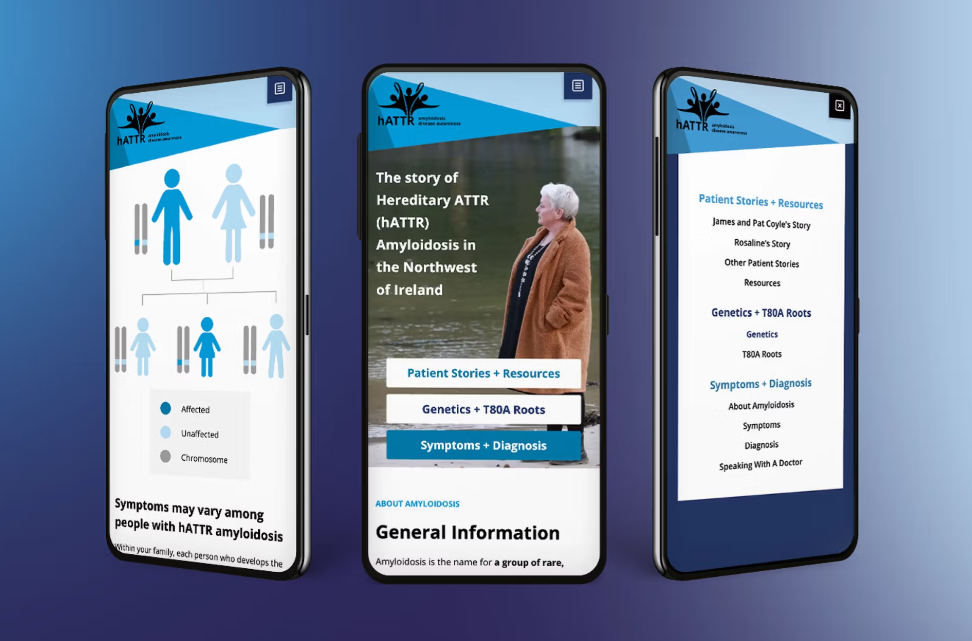
For example, a disease awareness campaign might begin with insight-driven messaging about early symptoms. Educational resources may be distributed through healthcare professionals, supported by digital content explaining the condition and patient stories highlighting real experiences.
This integrated approach strengthens the campaign’s impact and ensures that audiences encounter consistent information across multiple touchpoints.
Creative Strategy in Healthcare Communications
Creativity plays a crucial role in healthcare marketing, but it must be used thoughtfully.
In highly regulated sectors, creativity cannot overshadow scientific accuracy. Instead, it should enhance understanding and engagement while remaining compliant with industry standards.
Effective creative strategies often focus on visual clarity, emotional connection, and narrative storytelling. Scientific illustrations, patient journeys, and clear data visualisation can make complex information more accessible.
Storytelling is particularly powerful in healthcare. When campaigns illustrate the real impact of treatments or interventions, they help audiences connect emotionally with the underlying science.
For healthcare professionals, storytelling may involve clinical case studies or expert insights. For patients, it may involve personal experiences that highlight the importance of awareness, diagnosis, and treatment.
The goal of creative strategy is not simply to attract attention but to support comprehension and trust.
Digital Transformation in Healthcare Campaigns
Digital technology has dramatically transformed the way healthcare information is shared and consumed.
Healthcare professionals increasingly rely on digital resources for education, research updates, and clinical guidance. Patients also turn to online platforms to learn about symptoms, treatments, and lifestyle changes.
As a result, modern healthcare campaigns must incorporate digital strategies that provide accurate and accessible information.
Digital tools enable several important capabilities:
- Interactive educational content that helps healthcare professionals explore clinical data
- Patient information hubs that provide reliable guidance on conditions and treatments
- Data-driven insights that measure campaign performance and engagement
- Virtual events and webinars that facilitate knowledge sharing across global audiences
Digital platforms also allow campaigns to be adapted quickly as new research or guidelines emerge. This flexibility is particularly important in healthcare, where scientific understanding evolves continuously.
However, digital transformation must still prioritise credibility and compliance. Medical information shared online must be accurate, evidence-based, and presented responsibly.
Measuring Impact and Continuous Improvement
A strategic campaign does not end once it launches. Measurement and evaluation are essential for understanding whether the campaign achieved its objectives.
Healthcare marketing metrics often extend beyond traditional advertising indicators. While engagement and reach remain important, organisations also examine indicators such as:
- Changes in awareness or knowledge among healthcare professionals
- Increased adoption of clinical guidelines or treatments
- Patient engagement with educational resources
- Improvements in early diagnosis or treatment adherence
Data gathered during campaigns provides valuable insight into how messages are received and where improvements can be made.
Continuous evaluation allows organisations to refine their strategies over time, ensuring that future campaigns are even more effective.
The Future of Healthcare Brand and Campaign Strategy
Healthcare communication is evolving rapidly. Advances in medical science, digital technology, and patient empowerment are reshaping the landscape.
Patients today are more informed and engaged in their healthcare decisions than ever before. Healthcare professionals face increasing demands on their time and must access reliable information quickly. Regulators continue to refine guidelines to ensure responsible communication.
In this environment, strategic brand and campaign planning becomes even more important. Organisations that invest in research-driven strategies, clear messaging, and integrated communications will be best positioned to navigate these changes.
Future campaigns will likely rely even more heavily on data insights, personalised content, and digital platforms. However, the fundamental principles will remain the same: clarity, credibility, and empathy.
When healthcare communication respects the needs of both professionals and patients, it becomes more than marketing. It becomes a tool for education, collaboration, and improved health outcomes.
Supporting Healthcare Brands Through Strategic Campaigns
Developing effective healthcare campaigns requires a combination of strategic insight, creative thinking, and a deep understanding of the regulatory environment. From initial research and messaging development to campaign execution and performance analysis, every stage must be carefully planned.
Agency X works with healthcare and pharmaceutical companies to develop and deliver integrated marketing campaigns that communicate complex science clearly, engage key audiences, and build strong, credible brands within this highly specialised sector. Contact us today at hello@agencyx.ie
Contact one of our Events managers at Agency X today to discuss how we can help plan your upcoming Corporate Conference or Event.We'll be delighted to help!