Ahead of the Curve:
The Competitive Advantage of Early Conference Prep
In the fast-paced world of healthcare, where innovation, regulation, and competition converge, staying ahead is critical. Conferences are no longer just networking events—they are stages where companies shape perceptions, launch breakthroughs, and demonstrate leadership. For corporate healthcare teams, waiting too long to prepare can mean losing ground. The secret weapon? Early planning.
Whether you're coordinating a product launch, gathering industry leaders for a panel, or organizing a multi-day internal summit, the earlier you start, the stronger your results. From aligning stakeholders and budgeting efficiently to marketing and logistics, proactive planning gives you a powerful edge. In this blog, we'll explore why early preparation is so important and what actionable steps you can take today to lead your next healthcare conference with confidence.
Why Early Planning Matters
The stakes at healthcare conferences are high. These events bring together medical professionals, regulators, suppliers, investors, and innovators. With so many moving parts, planning ahead is not optional—it's essential.
One of the biggest advantages of early planning is access. Prime venues, respected keynote speakers, and top-tier sponsors are often booked up months—or even a year—in advance. If your planning starts late, you’re competing for leftovers rather than leading the charge.
Moreover, the healthcare industry operates within strict regulatory environments. You may need to secure approvals, ensure messaging compliance, and align your communications with medical-ethics standards. Rushing these processes increases the risk of non-compliance and brand missteps.
Beyond logistics and legality, early planning also fosters stronger collaboration across departments. When your team has time to strategize, you’re more likely to unify your message and deliver a cohesive, brand-aligned experience for attendees.
Another often-overlooked benefit of early planning is attendee engagement. With more lead time, you can craft richer experiences—curated tracks, interactive content, and networking opportunities that match audience interests. You also gain the opportunity to collect and act on feedback from previous events, enhancing quality year over year. More importantly, early planning creates room for inclusive decision-making—bringing more voices to the table ensures your event reflects diverse perspectives in healthcare.
Finally, don’t underestimate the operational relief early planning provides. With key decisions made months in advance, your team can focus on refinement and risk mitigation instead of crisis management. It’s the difference between a smoothly run event and one held together by duct tape.


The Competitive Advantages of Early Preparation
1. Securing Premier Resources
The best conference venues offer not just space, but prestige, accessibility, and state-of-the-art facilities. Likewise, high-demand speakers bring credibility and draw larger audiences. By acting early, you improve your ability to secure these assets before your competitors do.
2. Better Budget Management
Early budgeting allows your team to plan realistically and avoid emergency spending. You’ll have time to solicit competitive quotes from vendors, negotiate stronger deals, and make informed financial decisions that stretch your budget without sacrificing quality.
3. Stronger Marketing and Promotion
Marketing isn’tjust about fillingseats—it’s about shaping perception. Early planning gives your marketing team more time to develop thoughtful, targeted campaigns: building a content calendar, designing creative assets, writing compelling copy, and aligning messaging with wider brand goals. It also allows time for coordinated press outreach, partner promotions, and influencer engagement.
4. Strategic Alignment
Your conference shouldn't exist in a vacuum. By planning early, you can tie the event to broader business goals—such as announcing a new partnership, showcasing a product line, or responding to a current healthcare trend. This kind of alignment improves both internal engagement and external relevance.
5. Improved Risk Management
Unexpected challenges happen—venue issues, speaker cancellations, tech problems. Early preparation gives you time to identify risks, develop contingency plans, and ensure nothing derails your event.
6. Enhanced Stakeholder Confidence
When investors, executives, and partners see that your event is well-organized, thoughtfully promoted, and purpose-driven, it builds confidence in your capabilities. That perception extends beyond the event and reflects positively on your wider operations and leadership approach.
7. Increased Flexibility for Innovation
Early planning gives you the bandwidth to try new things—interactive digital exhibits, hybrid formats, audience voting, or wellness-integrated schedules. You can explore creative concepts that engage modern healthcare professionals without the pressure of tight deadlines.


How to Kick Off Your Conference Planning
1. Define Clear Objectives
What do you want to achieve with this conference? Your objectives should be **SMART**: Specific, Measurable, Achievable, Relevant, and Time-bound. Are you targeting lead generation, stakeholder engagement, internal alignment, or brand elevation? Knowing this upfront helps you measure success and design an agenda that supports it.
2. Set Your Budget and Timeline
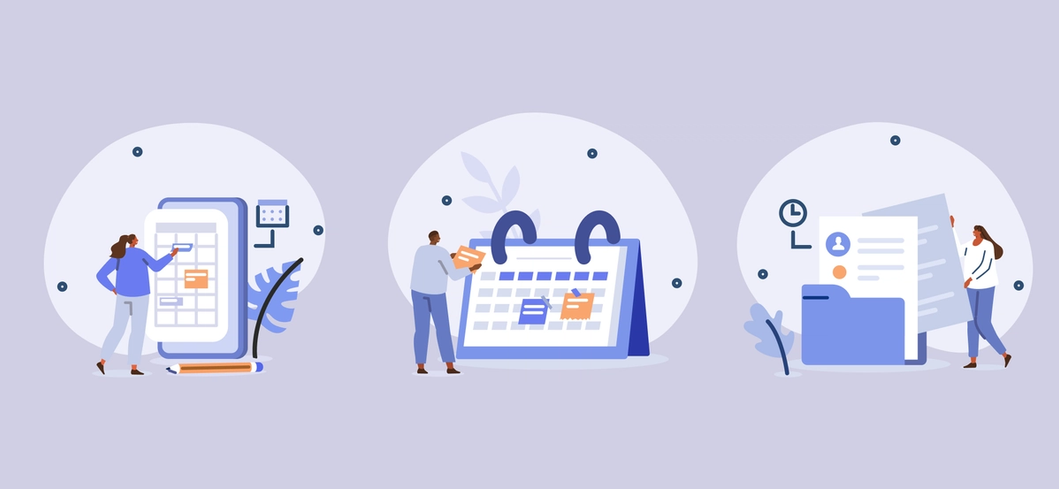
Once your goals are clear, outline your financial and temporal constraints. Break your budget into categories—venue, catering, tech, speaker fees, marketing, etc.—and allocate funds accordingly. Build a timeline that includes deadlines for every major decision and deliverable. Project-management tools such as Asana or Trello can help keep everyone on track.
3. Assemble Your Team
Great events are team efforts. Assign roles based on skills—logistics, content, speaker outreach, sponsorships, marketing. If internal bandwidth is limited, consider hiring an event agency experienced in healthcare. Early team formation helps avoid last-minute confusion and fosters accountability.
4. Conduct Thorough Research
Research industry trends to ensure your content is timely and relevant. Look at competitors’ events, speaker circuits, and attendee expectations. This intelligence will help you design a compelling agenda and avoid duplication.
5. Lock in Key Elements Early
Book the venue and speakers as soon as possible. These are often the most competitive and crucial components. Begin sourcing vendors for catering, technology, registration platforms, and branding support. The earlier you book, the more choices you'll have—and the more leverage you’ll have to negotiate pricing.
6. Build Your Marketing Plan
Start with a save-the-date campaign, then build momentum with a multi-channel strategy. Email sequences, organic and paid social media, influencer outreach, and PR should all be mapped out. Don’t forget your post-event plan: repurpose content like recorded sessions, testimonials, and highlight reels to extend ROI.
7. Build Partnerships Early
Many healthcare events rely on collaborations—sponsors, media partners, vendors, and sometimes even co-hosts. Starting early allows you to craft partnership packages that deliver real value and secure commitments well in advance. These relationships also help amplify your event marketing.
8. Secure Compliance Reviews
In healthcare, promotional and scientific content often requires internal or external regulatory review. Start these processes early to avoid delays, reworks, or compliance issues. Involve legal and regulatory teams from the beginning for peace of mind.
9. Prepare Data Collection and Measurement Plans
Decide early how you'll track success—whether through lead scans, post-event surveys, session attendance, or social engagement. This foresight enables cleaner data collection and stronger post-event reporting, helping you prove ROI and plan better for future events.
Optimizing Your Healthcare Conference for Maximum Reach
If you're investing time and resources into a corporate healthcare event, visibility matters. Early planning allows you to build a robust digital footprint leading up to the conference. Here’s how:
1. Optimize Event Pages for SEO
Use relevant keywords like “healthcare conference,” “medical innovation summit,” or “clinical leadership forum” on your event website. Include speaker bios, session abstracts, and multimedia to boost search performance.
2. Create Shareable Content
Blog posts, teaser videos, and speaker interviews help generate excitement. Publish consistently and use branded hashtags to track and amplify reach on social media.
3. Encourage Cross-Promotion
Partner with speakers, sponsors, and attendees to share the event with their networks. Provide social-media kits, templates, and visual assets to make it easy for others to promote the conference.
4. Leverage Email Marketing
Segment your email lists and deliver tailored messaging that nurtures attendees, sponsors, and stakeholders. Include early-bird offers, behind-the-scenes sneak peeks, and registration countdowns.
5. Post-Event Content Strategy
After the event, repurpose your content into white papers, highlight videos, social posts, and case studies. This sustains engagement and builds momentum for your next conference.
Digital strategy isn’t a last-minute task. Like everything else, it benefits from early attention. Integrated planning helps ensure your healthcare conference isn’t just well-executed—it’s also well-seen.
Stay Ahead, Stay Prepared
In a high-stakes, heavily regulated industry like healthcare, success doesn't come to those who wait—it comes to those who plan. Early conference preparation isn’tjust about avoiding stress; it’s about owning the moment. From strategy to execution, the organizations that plan ahead are the ones that lead the conversation, land the deals, and leave a lasting impression.
Investing time upfront not only improves the quality of your event—it reduces stress, avoids last-minute chaos, and empowers your team to deliver excellence. When your conference reflects precision and care, your attendees notice. They engage more deeply, remember more clearly, and are more likely to advocate for your brand long after the event ends.
Early planning is not just a project-management tactic—it’s a cultural shift toward operational excellence and strategic foresight. Start now, and you won’t just be part of the healthcare conversation—you’ll be leading it.
Don’t just attend the conversation—shape it!
Our Events team at Agency X are always on hand to discuss any requirements you might have for your next event or conference. Get in touch with us today at hello@agencyx.ie or 01 6706122.
Contact one of our Events managers at Agency X today to discuss how we can help plan your upcoming Corporate Conference or Event.We'll be delighted to help!