Why Strong Creative Branding and Identity Matter in Pharma and Healthcare
Branding that builds confidence.
In healthcare and pharmaceuticals, trust is everything. Patients rely on clarity and confidence when making decisions about their health. Healthcare professionals (HCPs) expect accuracy, reliability, and science-backed communication. Regulators demand compliance and precision. Against this backdrop, branding may seem secondary — but in reality, a strong brand identity is one of the most powerful assets a pharma or healthcare organisation can build.
Unlike consumer sectors, where flashy campaigns can win attention, healthcare branding must walk the fine line between creativity and credibility. It has to inspire confidence while also being distinctive enough to cut through the noise of a competitive market. Whether you’re a biotech start-up launching your first therapy, a global pharmaceutical company with a broad portfolio, or a digital health provider building patient trust, branding is not cosmetic. It is strategic, foundational, and indispensable.
Below, we explore the key pillars of branding and identity creation in the pharmaceutical and healthcare space — and why getting them right matters more than ever.


Brand Development: Research & Analysis
Every great healthcare brand starts with insight. The pharma and healthcare sectors are highly regulated, technically complex, and deeply human at the same time. A new treatment isn’t just another product on a shelf — it represents years of research, billions in investment, and potentially life-changing outcomes for patients. To capture that complexity in a brand, you need a foundation of rigorous research.
This means diving into the market landscape: Which therapies already exist? How are competitors positioning themselves? Where are the gaps in communication or unmet patient and HCP needs? Equally important is exploring target audience behavior. Patients, caregivers, clinicians, payers, and advocacy groups all perceive brands differently, and understanding those nuances is critical.
Through qualitative research (interviews, focus groups, ethnography) and quantitative analysis (market surveys, competitive audits, digital listening), agencies uncover white space opportunities. For example, a crowded oncology market may be saturated with brands emphasizing “innovation,” but few speak directly to the emotional toll of a diagnosis. That gap becomes a branding opportunity.
This early phase shapes every other branding decision. Without it, companies risk creating identities that are generic, inconsistent, or irrelevant. With it, they gain a brand strategy that is authentic, differentiated, and future-proof.
Brand Naming: More Than a Label
In healthcare, a name is often the very first touchpoint. It’s what HCPs see on a prescription, what patients Google, and what regulators must approve. A strong name has to do more than sound appealing — it must carry meaning, signal positioning, and withstand the test of time.
Take pharmaceutical product names: they must be easy to pronounce, avoid confusion with existing drugs (a regulatory requirement), and often reflect a therapeutic category or mechanism of action. At the corporate level, a company name must embody vision and credibility while remaining adaptable to future markets or product lines.
Good naming blends creativity with strategy. Linguistic nuance matters: a name that resonates positively in English could carry unintended meanings in another language. Domain availability is another crucial consideration for digital presence. Agencies that specialize in healthcare branding use tested frameworks to ensure names are memorable, distinctive, and compliant.
The best names act as storytelling tools. They give a hint of the brand’s purpose, spark recognition, and create emotional resonance — turning a first impression into lasting trust.
Brand Messaging & Positioning: Finding Your Voice
A brand is more than its name and logo; it is the story it tells. In healthcare, that story must communicate value clearly to diverse audiences: clinicians seeking evidence, patients craving empathy, investors looking for innovation, and regulators ensuring accuracy.
Crafting brand messaging starts with defining a unique value proposition: what makes your therapy, service, or company different? From there, agencies build messaging pillars tailored to each stakeholder group. For HCPs, messaging may highlight efficacy and clinical trial data. For patients, the focus may be on hope, support, and quality of life.
Equally important is developing an authentic brand narrative — one that articulates not just what you do, but why it matters. In workshops, brand teams refine tone of voice, emotional drivers, and proof points until the brand feels both credible and compelling.
Positioning is the strategic anchor: the space your brand owns in the minds of stakeholders. In crowded therapy areas, positioning can make the difference between being “just another option” and becoming the trusted partner of choice.

Corporate Branding: Building Cohesion Across Complex Systems
Pharmaceutical and healthcare companies are rarely simple. They may operate across multiple therapy areas, run subsidiaries in different countries, or balance B2B services with consumer-facing products. Without a strong corporate brand architecture, the result can be fragmentation and confusion.
Corporate branding ensures that every part of the business connects back to a cohesive identity. This includes aligning business units under a unified vision, developing naming hierarchies for product portfolios, and ensuring employer branding reflects the same values communicated externally.
For multinationals, corporate branding also plays a role in cultural adaptation. A visual identity or tone of voice that resonates in Europe may need adjustment for markets in Asia or Latin America, without losing core consistency.
Done well, corporate branding conveys leadership, credibility, and trustworthiness — attributes that are vital in industries where patient lives are at stake. It also strengthens employee engagement, turning staff into advocates who live the brand from the inside out.
Brand Guidelines: Safeguarding Consistency
In healthcare, consistency isn’t optional; it’s essential. Patients and professionals alike rely on accuracy and trust, and inconsistent branding can quickly undermine credibility. This is where brand guidelines come in.
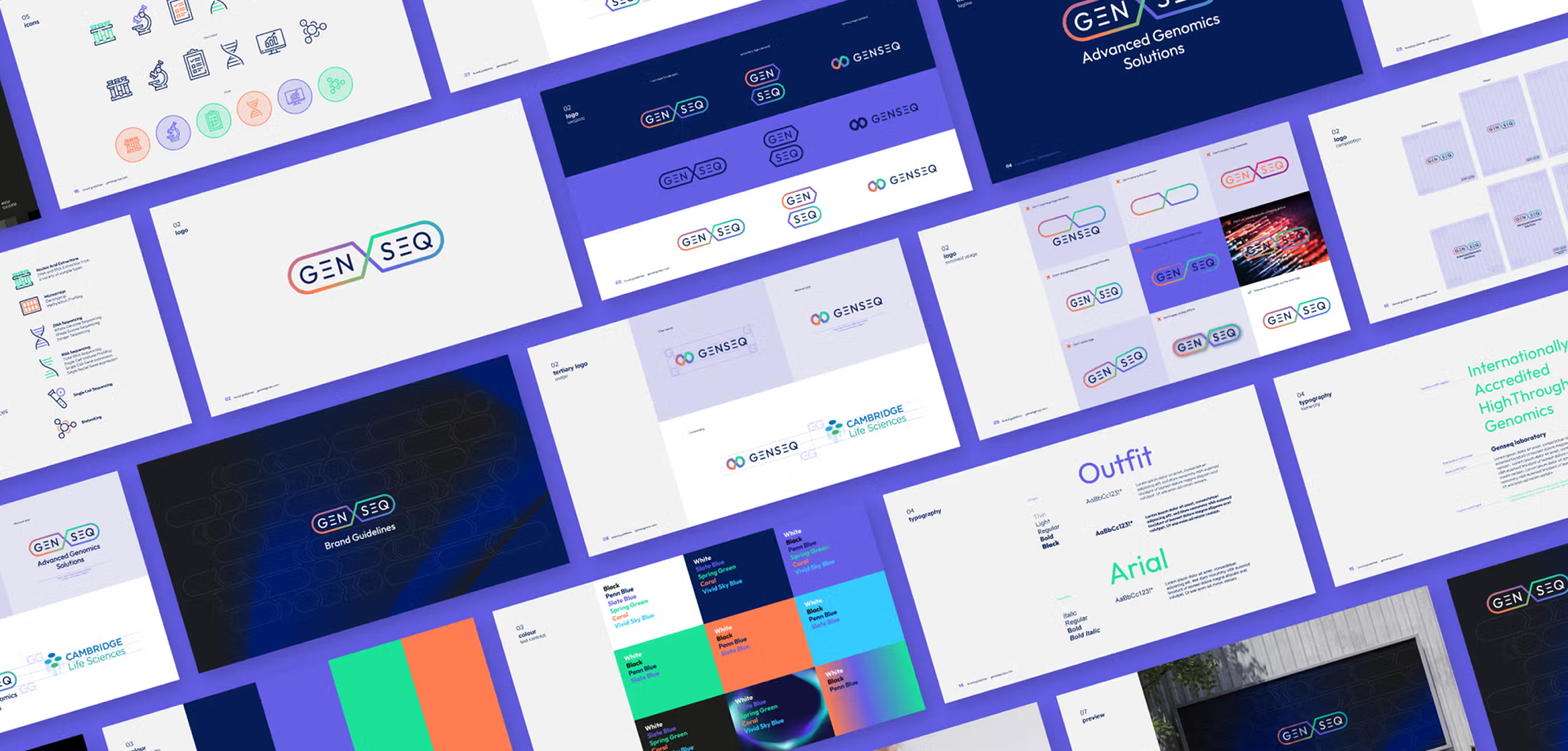
Comprehensive guidelines go beyond visual rules like logos, colors, and fonts. They codify tone of voice, messaging, and compliance principles, ensuring that whether content is written for a medical journal, a patient leaflet, or a digital campaign, it feels unmistakably “on brand.”
Guidelines serve as a practical toolkit for everyone who touches the brand — from internal marketing teams to external partners like creative agencies, web developers, and event organizers. In regulated industries, they also reduce the risk of error or non-compliance, saving time and protecting reputation.
Ultimately, brand guidelines are not restrictive; they are empowering. They give teams confidence to create while ensuring that every touchpoint builds, rather than dilutes, brand equity.
Logo & Visual Identity: Bringing the Brand to Life
If messaging is the voice of a brand, the visual identity is its face. In healthcare, where data and science often dominate, visual design has the power to humanize and differentiate. A well-designed logo is more than a graphic; it’s a symbol of trust, innovation, and reliability.
Effective healthcare visual identities balance strategic meaning with timeless design. Colors might be chosen to convey calmness, vitality, or clinical precision. Typography can suggest modernity, authority, or approachability. Iconography and illustrations help simplify complex science for broader audiences, while photography style sets the emotional tone of communications.
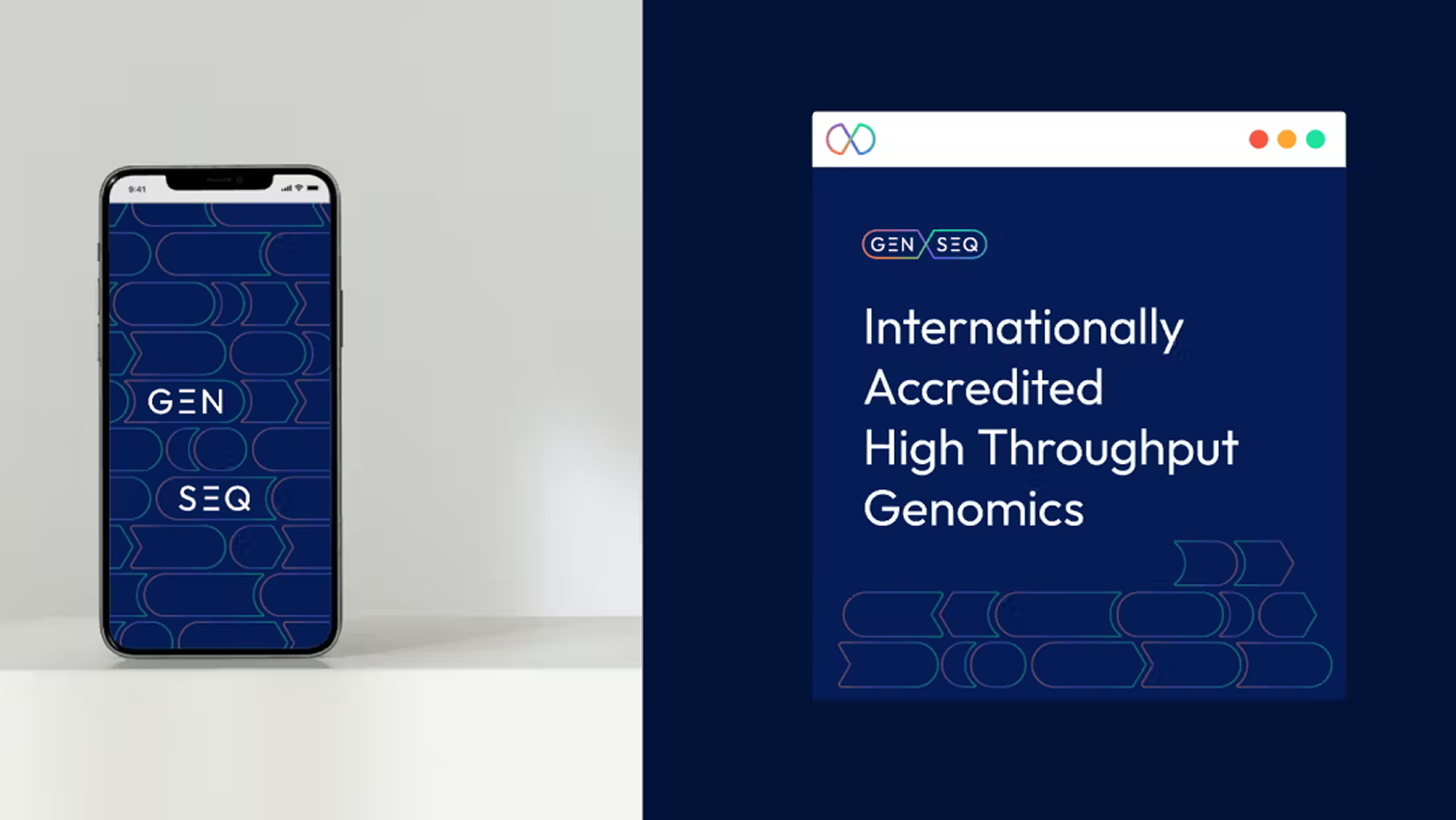
Flexibility is key. Brands must scale across contexts: from packaging to mobile apps, from conference booths to LinkedIn feeds. A robust identity system ensures that, wherever it appears, the brand is instantly recognizable and emotionally resonant.
In industries where competition is fierce and the stakes are high, a distinctive and future-proof visual identity is not a luxury — it is a necessity.
In Conclusion: Branding as a Strategic Imperative
In pharma and healthcare, branding is not about being flashy or superficial. It is about creating clarity in complexity, building trust in uncertainty, and communicating value in a market where the smallest details can have life-changing consequences.
Strong branding — from development and naming to messaging, corporate identity, guidelines, and visual design — ensures that your company or product isn’t just seen, but understood, remembered, and trusted.
For patients, that trust can mean confidence in their treatment choices. For HCPs, it can mean loyalty to a therapy they believe in. For companies, it can mean differentiation in crowded markets and long-term brand equity that supports growth and impact.
In short, branding in healthcare is not an afterthought. It is the foundation of connection — between science and people, between innovation and trust, between today’s challenges and tomorrow’s opportunities.
Contact us today to discuss how we can collaborate to design and create your next brand campaign.We'll be delighted to help!